
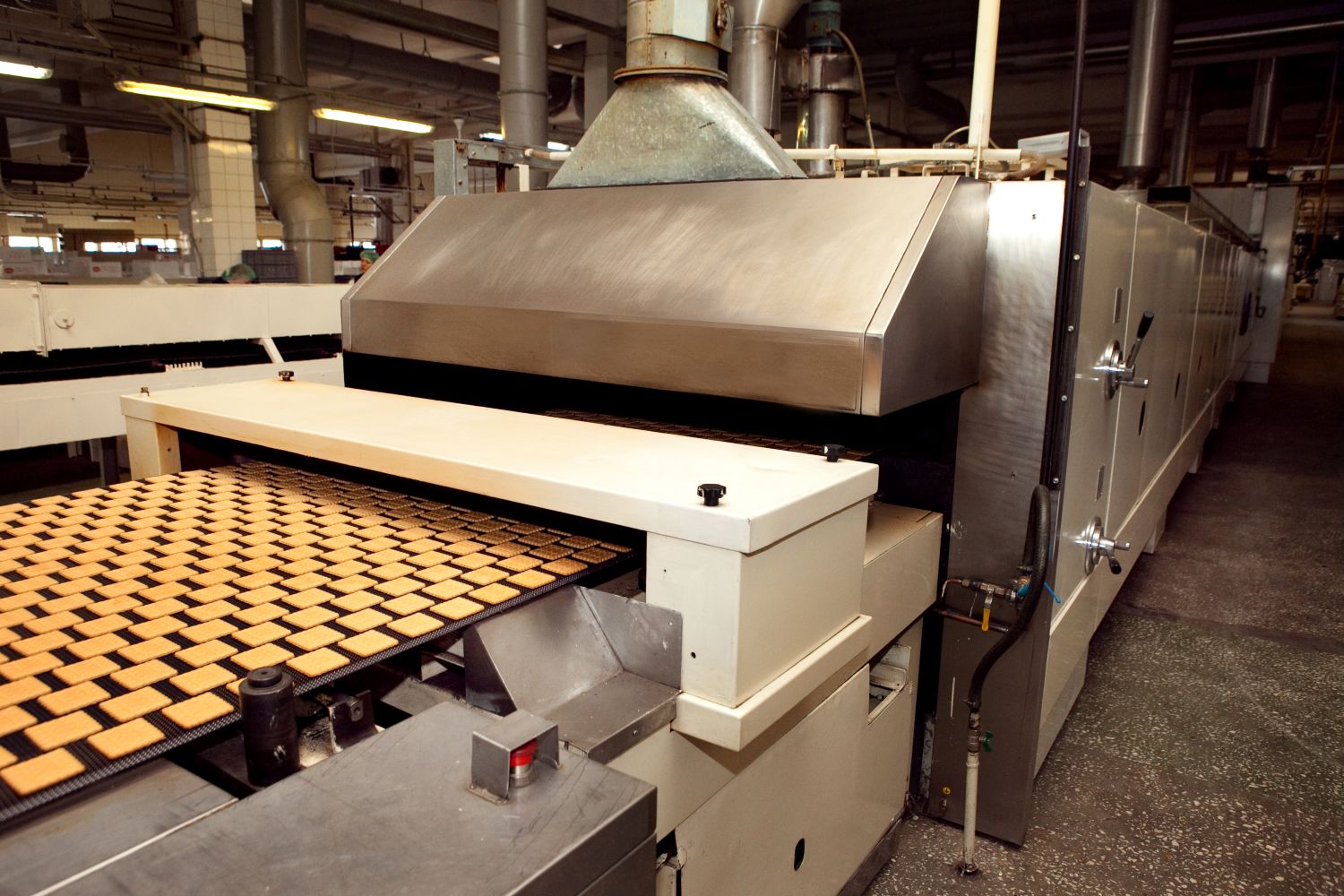
In the world of manufacturing and food production, efficiency and consistency are paramount. One crucial component that plays a significant role in achieving these goals is the oven conveyor. Used in various industries, including baking, food processing, and manufacturing, oven conveyors facilitate the seamless movement of products through the cooking or curing process. Selecting the right oven conveyor for your production needs can enhance productivity, reduce waste, and ensure product quality. This article provides a comprehensive guide to help you choose the best oven conveyor for your specific requirements.
1. Understand Your Production Requirements
Assess Production Volume
The first step in selecting an oven conveyor is to assess your production volume. Determine the quantity of products you need to process within a specific timeframe. High-volume operations may require larger, more robust conveyors that can handle increased throughput, while smaller operations may benefit from more compact systems.
Identify Product Characteristics
Consider the type of products you will be processing, including their size, shape, and weight. Different products may require different conveyor designs to ensure smooth and efficient handling. For instance, delicate items may need a gentler approach, while heavier products might require a sturdier conveyor system.
2. Choose the Right Conveyor Type
1. Flat Belt Conveyors
Overview: Flat belt conveyors are versatile and commonly used in various industries. They consist of a flat belt that moves continuously, transporting products through the oven.
Applications: Suitable for baking, roasting, and other cooking processes where even heat distribution is essential.
Advantages: Easy to maintain, customizable in length and width, and capable of handling a wide range of products.
2. Modular Belt Conveyors
Overview: Modular belt conveyors are made up of interlocking plastic segments, allowing for flexibility in design and configuration.
Applications: Ideal for transporting products with varying shapes and sizes, such as baked goods, snacks, and prepared meals.
Advantages: Easy to clean and maintain, adjustable for different incline angles, and suitable for complex layouts.
3. Chain Conveyors
Overview: Chain conveyors utilize chains with attachments to transport heavy products through the oven.
Applications: Commonly used in heavy-duty applications, such as automotive parts manufacturing or large-scale food processing.
Advantages: Excellent for handling heavy loads and can withstand high temperatures, making them suitable for industrial ovens.
4. Wire Mesh Conveyors
Overview: Wire mesh conveyors consist of a series of metal wires woven together, allowing for airflow and even heat distribution.
Applications: Often used in baking and drying processes, especially for products that require ventilation or cooling.
Advantages: Durable and resistant to high temperatures, easy to clean, and promotes even cooking.
3. Consider Oven Specifications
Temperature Range
Different cooking processes require varying temperature ranges. Ensure that the oven conveyor you select can withstand the temperatures necessary for your specific application. Check the manufacturer’s specifications for maximum operating temperatures to ensure compatibility.
Heating Method
Consider the heating method used in your oven system—convection, conduction, or infrared. Each method may require different conveyor designs to optimize heat distribution and cooking efficiency.
4. Evaluate Speed and Control Options
Conveyor Speed
The speed of the conveyor impacts production efficiency. Determine the optimal conveyor speed for your process based on product characteristics and cooking requirements. Adjustable speed settings can help accommodate different products and production rates.
Control Systems
Modern oven conveyors often come with advanced control systems that allow for precise monitoring and adjustments. Look for features such as digital controls, timers, and temperature sensors to enhance operational efficiency and consistency.
5. Maintenance and Support
Ease of Maintenance
Consider the maintenance requirements of the conveyor system. Choose a design that allows for easy access to components for cleaning and repairs. Regular maintenance is essential for ensuring the longevity of the conveyor and preventing downtime.
Manufacturer Support
Select a reputable manufacturer that offers reliable customer support, including installation, training, and troubleshooting assistance. A strong support network can help ensure that your conveyor system operates smoothly and efficiently.
6. Cost Considerations
Budget Planning
Establish a budget for your oven conveyor system, taking into account the initial purchase price as well as ongoing operational costs. While it may be tempting to choose the cheapest option, consider the long-term value and durability of the system.
Return on Investment (ROI)
Evaluate the potential ROI of the conveyor system based on its impact on production efficiency, labor savings, and product quality. A higher upfront investment may be justified if it leads to significant cost savings and increased productivity over time.
Conclusion
Selecting the right oven conveyor for your production needs is a critical decision that can significantly impact your overall efficiency and product quality. By understanding your production requirements, choosing the appropriate conveyor type, considering oven specifications, evaluating speed and control options, and factoring in maintenance and cost considerations, you can make an informed choice that meets your operational goals. Investing in the right oven conveyor system will not only enhance your production capabilities but also contribute to the long-term success of your business in the competitive landscape of manufacturing and food processing.